For buyers · Panama City Beach / 30A / Destin
Look beyond the view.
Connect a beautiful setting with the costs, records and questions behind your next property decision.
Property research and buyer & seller connections for Panama City Beach, 30A, Destin and surrounding areas. Explore condos, building records, safety questions and the true cost of coastal ownership.
Use source-backed condo profiles, your own ownership figures and an organized document request to plan the next conversation.
Costs, document gaps and access questions in one workspace.
Open my comparison ↗Build a document request for an exact property. Download first; choose whether to inquire.
Build my worksheet ↗Review dates, source scope, open questions and the research change log.
Explore research updates ↗Dated source reviews and visible gaps. No safety scores or guessed ownership costs.
Named condominium exteriors and real homes on the Gulf Coast, with dates, source credits and buyer research questions.
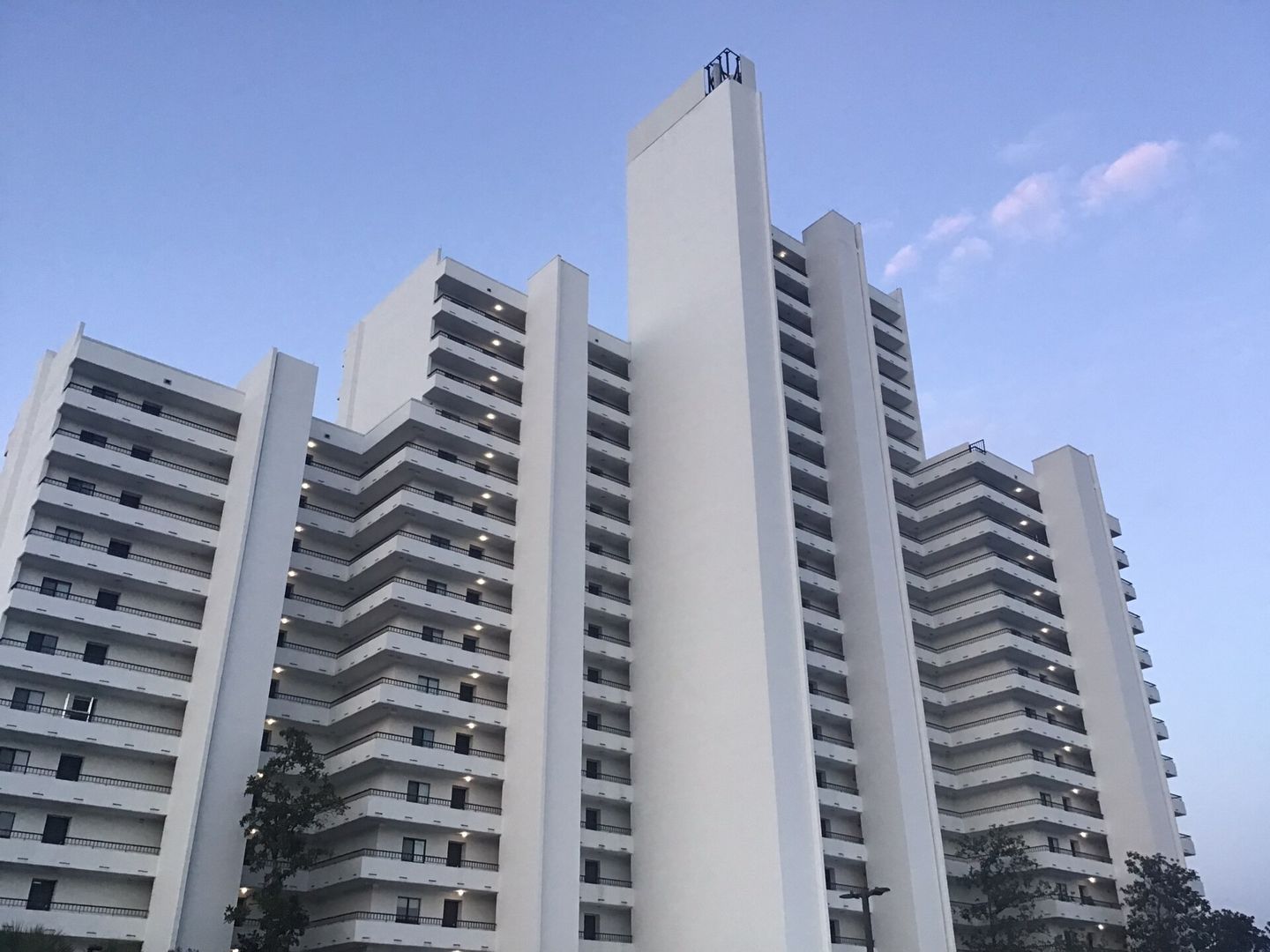
One Seagrove Place · historical photograph · not a current listing.
Explore the building example ↗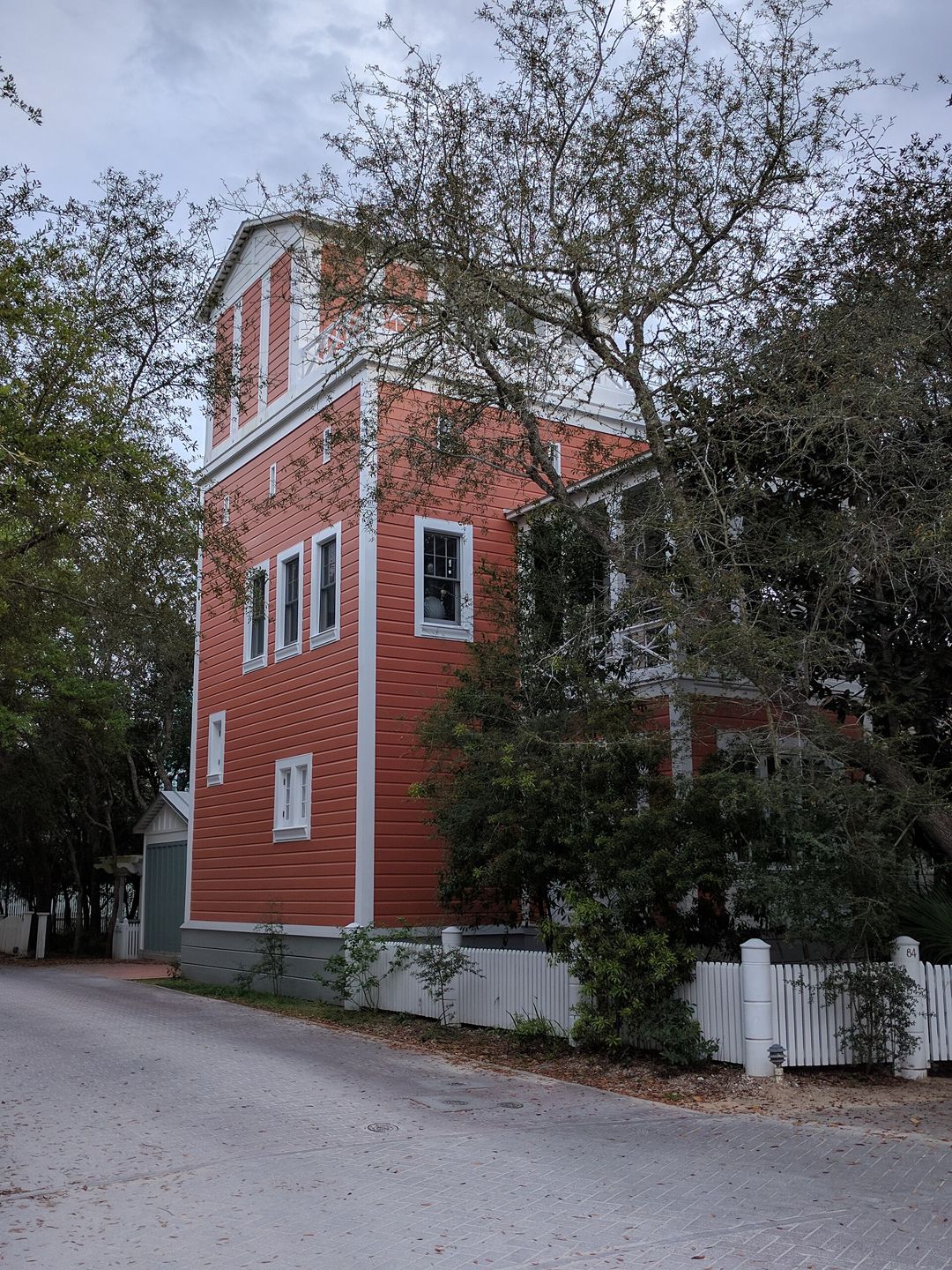
Real residential architecture; property-specific rights and condition require research.
Explore home ownership questions ↗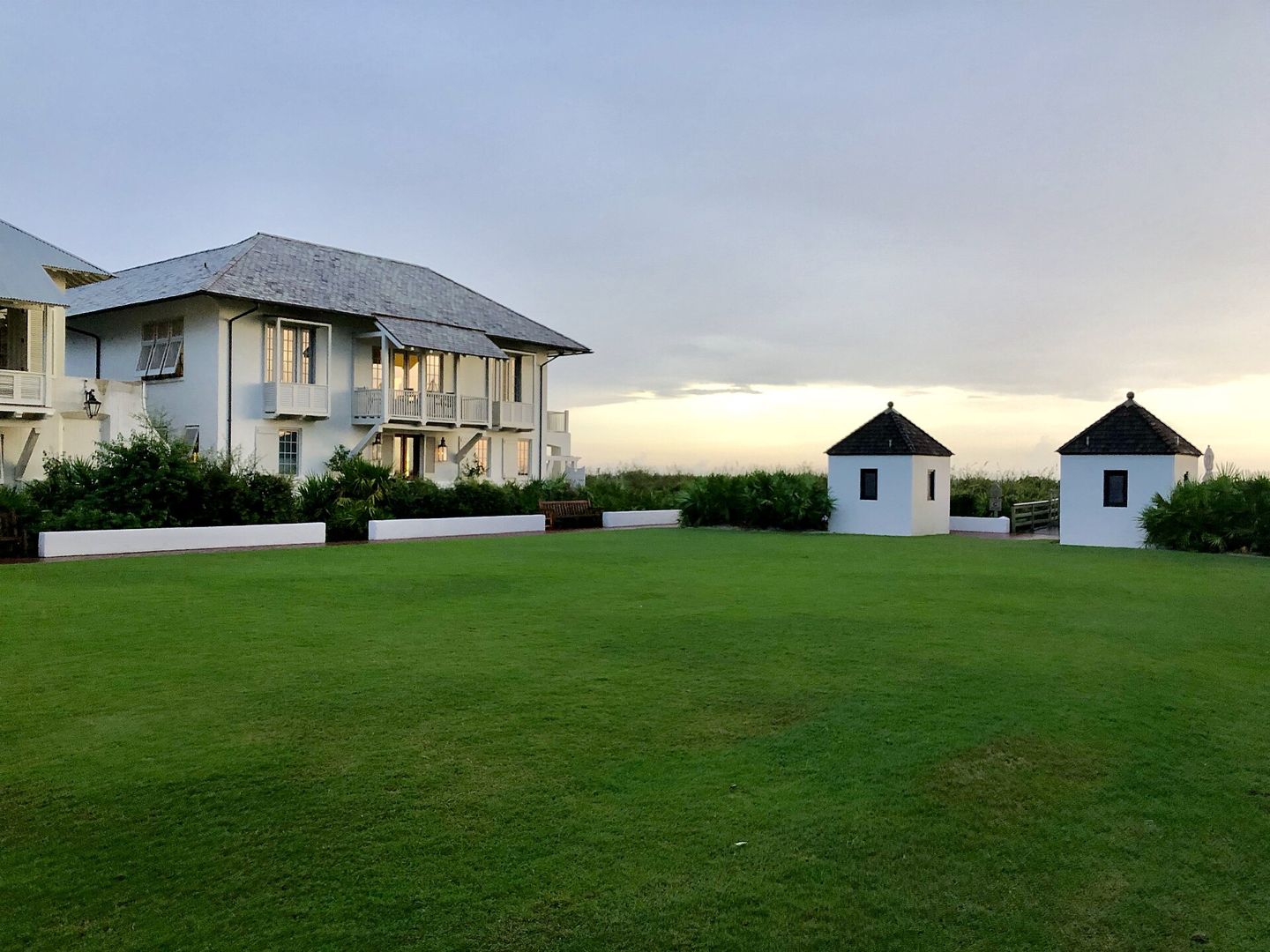
Ask about the exact parcel, access arrangements and ownership obligations.
Explore the neighbourhood example ↗Historical editorial photographs: TheBeachBro, Adscpa and Miamireader / CC BY-SA 4.0. Resized/compressed; display crops vary. Full credits & licenses. These photographs do not offer a unit or house for sale.
Two short marketing films with British female AI narration, real property photographs and captions.
Connect a beautiful setting with the costs, records and questions behind your next property decision.
Prepare the ownership file, discuss comparable sales and model your selling assumptions before the listing.
AI-generated narration, not Larisa Stewart’s voice. Historical editorial property photography; these are photographic films with motion graphics, not property walkthroughs. Buyer and seller assistance requests identify Larisa V. Stewart · ERA Neubauer Real Estate, Inc. and go to Gulf Coast Property Hub for coordination.
ERA Neubauer Real Estate, Inc. · English, Russian and Ukrainian support.
Requests go to Gulf Coast Property Hub for coordination. Availability and representation require separate agreement.
Browse public live-inventory searches, then discuss a shortlist or your selling plans with Larisa Stewart.
Larisa V. Stewart · ERA Neubauer Real Estate, Inc.
English · Russian · Ukrainian — as listed by ERA
Call Larisa: (850) 276-3487
Inventory opens on the original provider’s website. Our site does not yet have an authorized on-site MLS/IDX feed.
Build a useful planning brief, find the right sources and request a property-specific review.
Build my starter ↗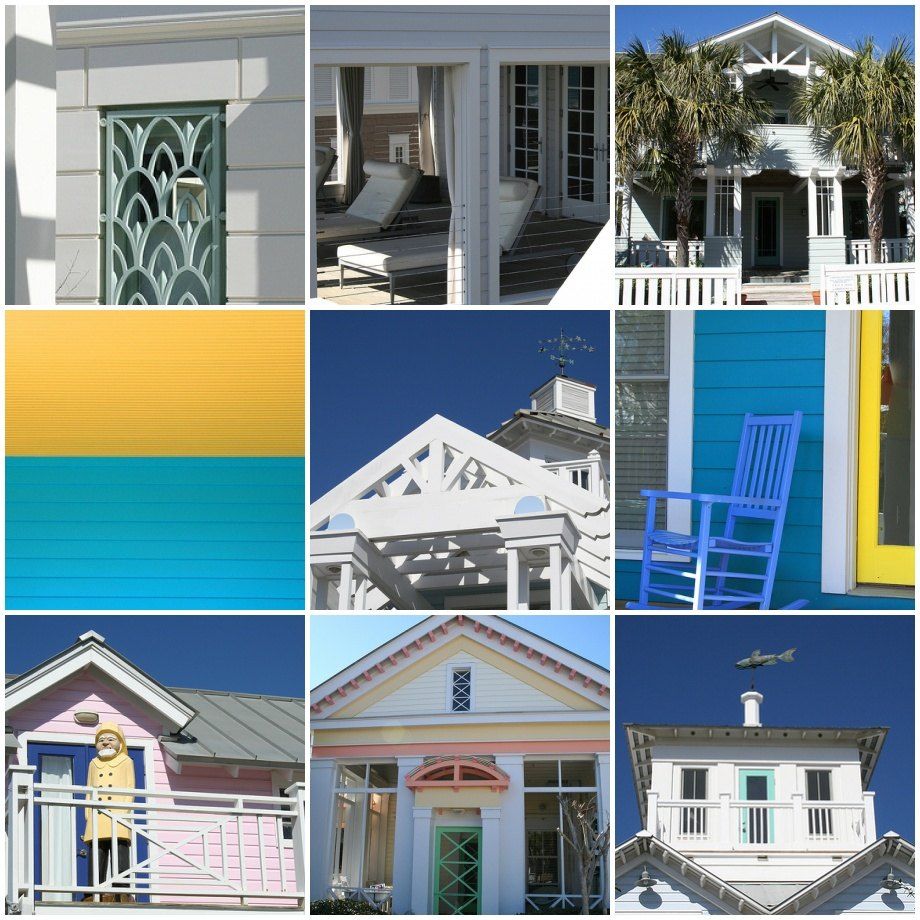
Model estimated proceeds and request a comparable-sales and preparation review.
Open the seller center ↗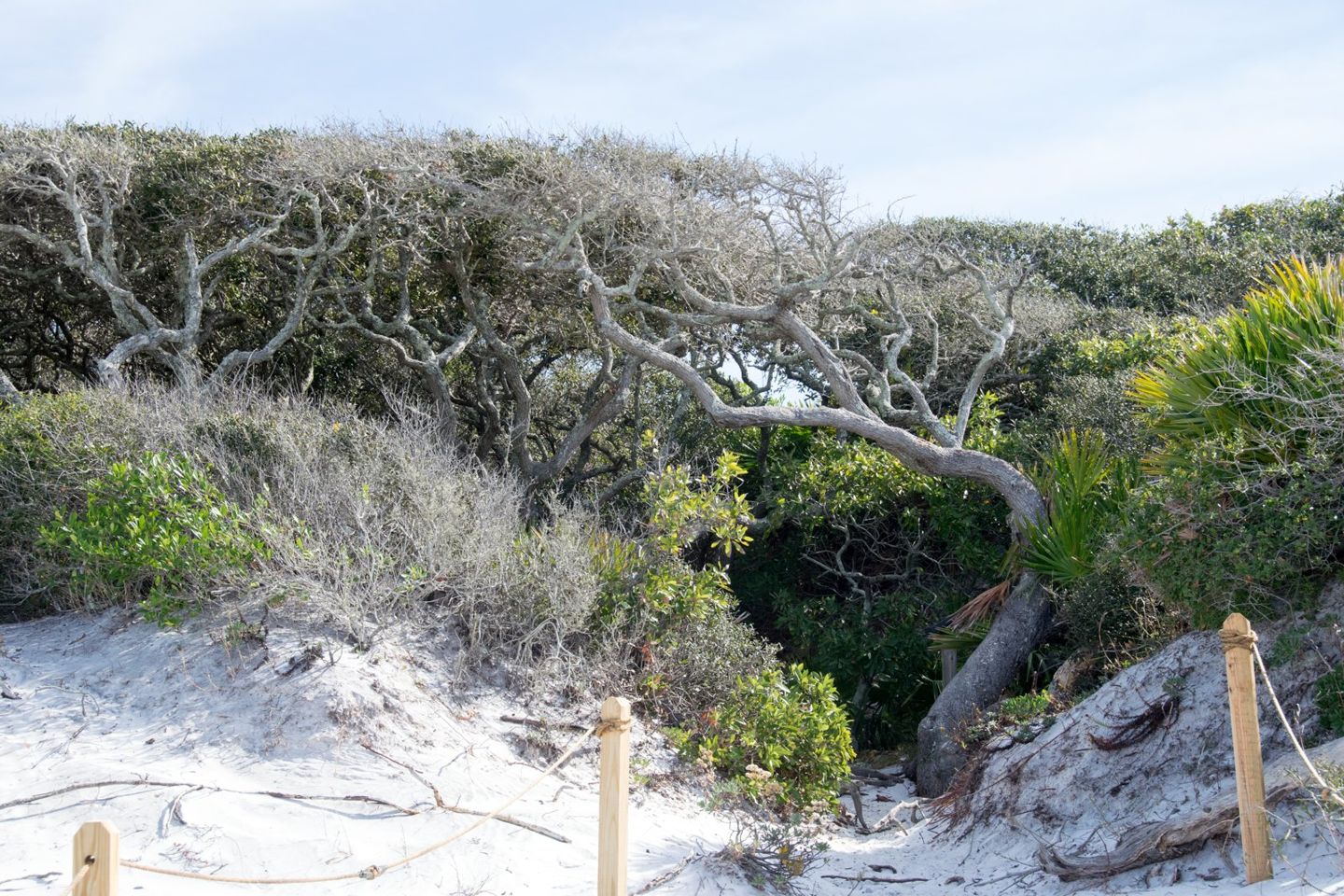
Share your goals and request a convenient consultation window with the team.
Request a consultation ↗Know which documents to ask for, which questions are still open and what your next step should be. Build your worksheet immediately, then choose whether to request help from the team.
Build my buyer document request ↗See how the research works ↗Find a community, build your research brief and compare ownership costs side by side.
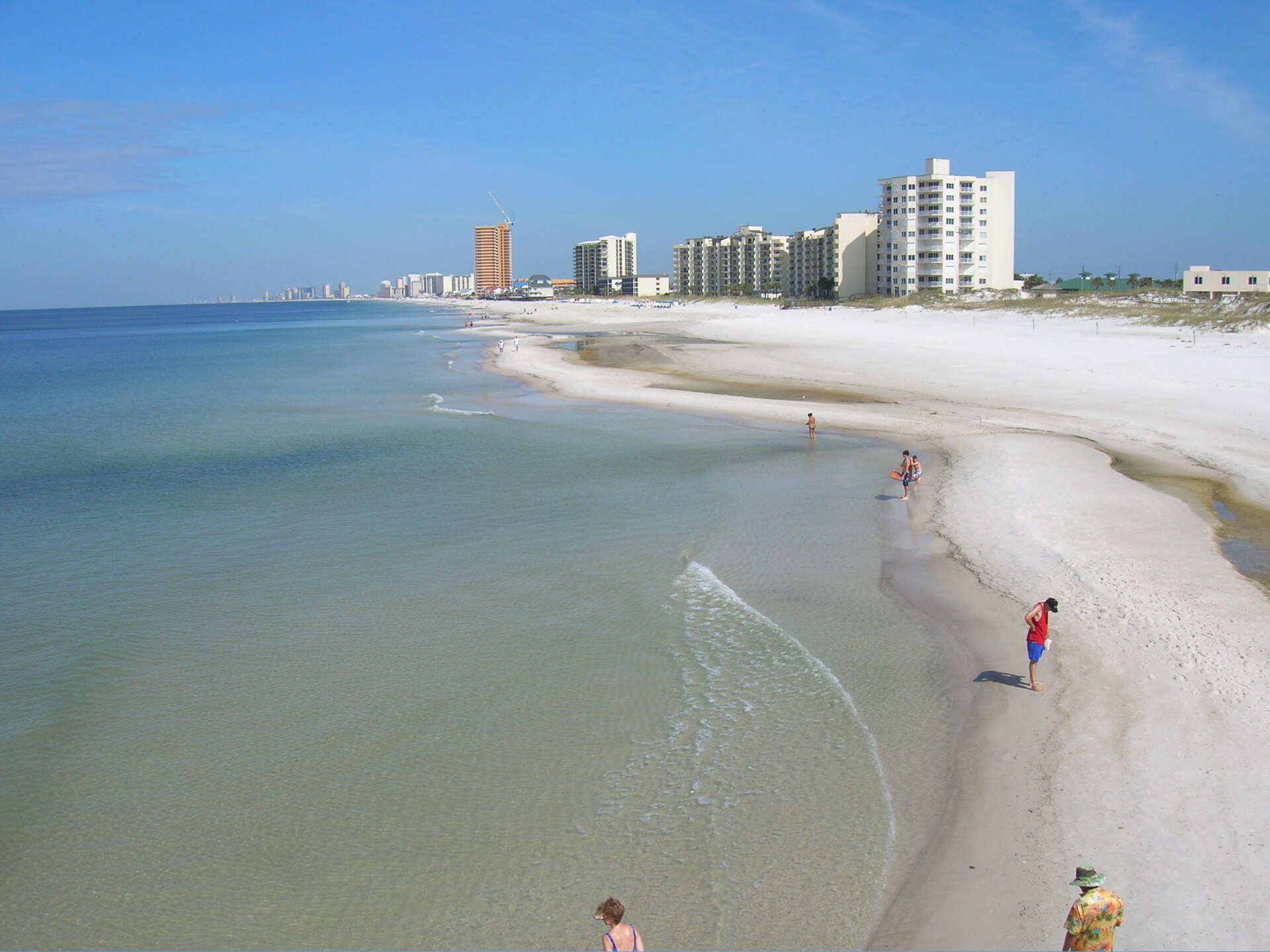
Large resort footprints, distinct ownership questions. Start with source-backed overviews and clearly labeled coastal context. Explore named property photographs in the visual guide, then research your exact unit.
 914 units · source-reported
Edgewater brings tower and golf-villa ownership into one large resort setting. The first buyer decision is identifying the exact building and the shared obligations attached to it.
Explore the full profile ↗765 units · source-reportedLaketown Wharf combines a large condominium footprint with a lakefront boardwalk and resort amenities. Match the unit’s view, building position and beach-access arrangement to your intended use.
Explore the full profile ↗23 stories · source-reportedShores of Panama is a Gulf-front high-rise centered around a large pool courtyard. Separate rental-program benefits and charges from association costs when evaluating a unit.
Explore the full profile ↗570 units · source-reportedTidewater is a large west-end condominium resort near the Pier Park area. Its public association pages provide starting points for guest rules, registration and owner documents.
Explore the full profile ↗523 residences · source-reportedMajestic Beach Resort spans two towers with separate tower document links. Compare the unit’s tower-specific obligations as well as shared facilities and operating costs.
Explore the full profile ↗408 homes · source-reportedPinnacle Port sits between the Gulf and Lake Powell, with Camp Helen State Park nearby. Its multi-building layout makes building-specific documents and maintenance responsibilities especially relevant.
Explore the full profile ↗396 units · source-reportedCalypso is a multi-phase development near Pier Park. Begin with the exact tower: association documents, parking rights and amenities should not be assumed identical across phases.
Explore the full profile ↗340 condos · source-reportedRegency Towers is a substantial Thomas Drive condominium community. Evaluate the individual unit alongside its association records, shared-system maintenance and current rental rules.
Explore the full profile ↗299 residences · source-reportedGrand Panama has two towers and a publicly listed association document index. Confirm the tower’s location, access rights and obligations before comparing units by price alone.
Explore the full profile ↗Scale figures describe the source’s stated scope, not a definitive ranking. Edgewater includes towers and villas; Calypso’s figure covers Towers I & II only. Source dates and limitations appear in each profile. Property photography is not current-condition evidence.
Browse all condos & HOA communities ↗Whether you’re buying your first beach condo or planning your next chapter, start with the right questions.
Explore the setting, then research the exact community, association and property behind your next decision.
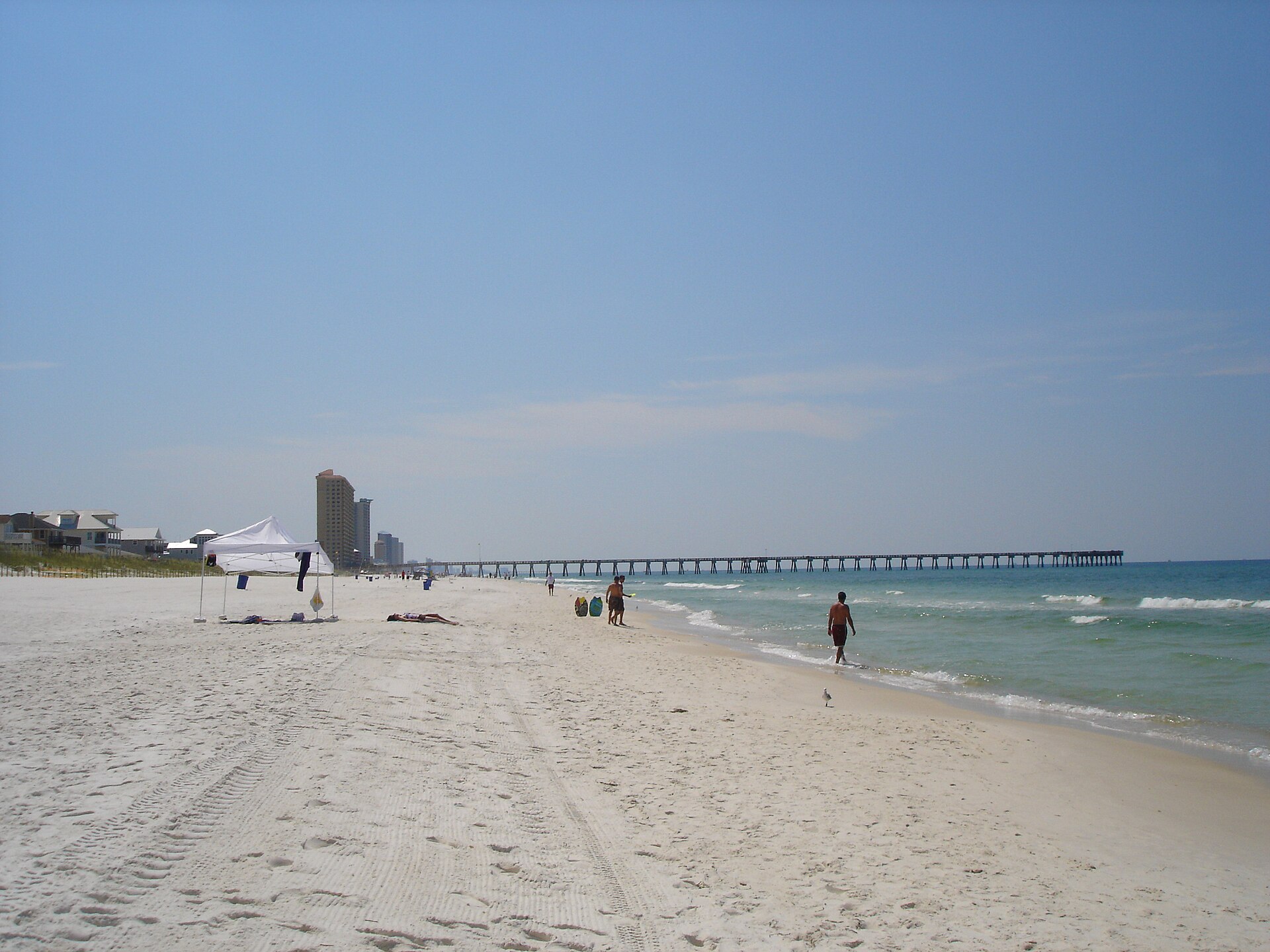
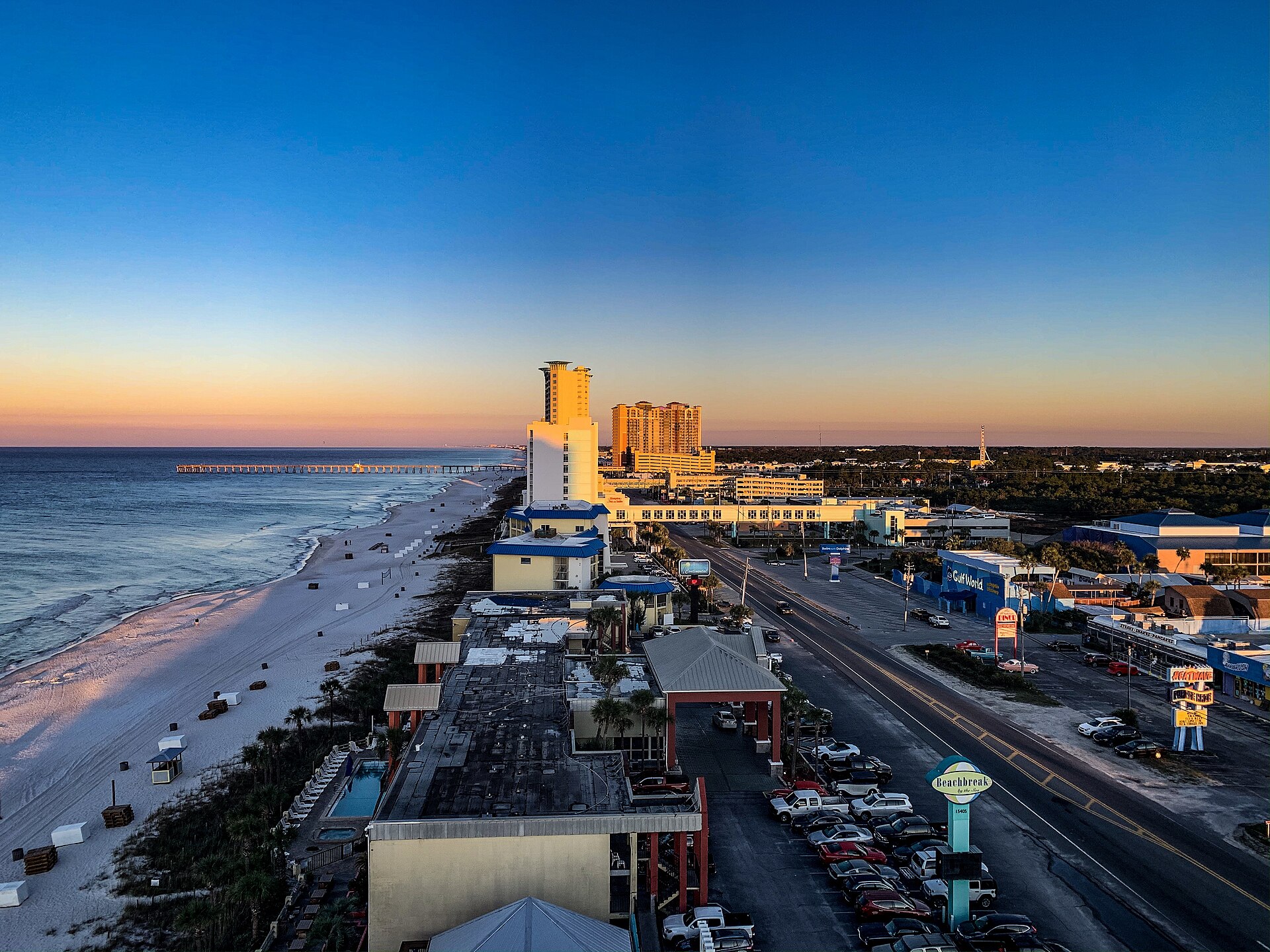
Area photography, not current-condition evidence or a photograph of every named community. Han Zheng and Image by jsclark.net · Photo sources & licenses.
A beautiful unit doesn’t tell you about the association’s reserves or whether a repair was completed. Our research framework connects each question to a document—and keeps unknowns visible.
Property and permit portals, inspection resources, association documents.
Report → scope → permit → inspection → documented completion.
Dues, reserves, assessments, insurance and rental restrictions.
Four HOA / POA communities with source pathways for covenants, budgets, design review and parcel-specific obligations.
Explore covenants, design review and community document pathways.
Explore the research profile ↗Explore covenants, design review and community document pathways.
Explore the research profile ↗Explore covenants, design review and community document pathways.
Explore the research profile ↗Explore covenants, design review and community document pathways.
Explore the research profile ↗Build a more honest monthly budget. Adjust an illustrative scenario with your own loan terms, association dues and property-specific quotes.
*Budget allocation only; not an offered assessment payment plan. Rental costs should include management, platform fees, cleaning subsidies and other expenses not already counted.
Planning estimate, not a quote or investment forecast. Excludes closing costs, loan insurance, financing fees, tax effects and unexpected repairs. Avoid double-counting items covered by HOA dues.
Our licensed real estate partners help buyers find their next property and owners plan their next sale in Panama City Beach and surrounding areas. Start with your goals, your questions and a conversation in the language you prefer.
Discuss your wish list, location, budget and timing. Bring the building research and ownership questions into your property search.
Discuss pricing, preparation, presentation and the documents buyers may request. Build a selling plan around your property and priorities.
 Rosemary Beach · 30A / South Walton
Explore eight neighborhood guides, compare beach-access and ownership questions, and prepare a property search around your priorities.
Photo: Miamireader / CC BY-SA 4.0 · Credits
Compare the ownership questions that matter in each area, then research a specific address.
Beach condos, ownership documents and the details behind rental potential.
Explore the area ↗Compare property condition, flood information and a year-round ownership budget.
Explore the area ↗Start with parcel-specific rules, association costs and your lifestyle priorities.
Explore the area ↗Structural condition, fire protection and everyday security answer different questions. Research them separately, then connect the findings.
Which report covers this building? What work followed—and what confirms completion?
Read the inspection framework ↗Ask about fire inspection records, correction notices and emergency procedures.
Explore the questions ↗Understand maintenance, accountability and policies—not just the equipment list.
Understand building security ↗Two different research tasks. Check both for the exact property address.
Find the right maps ↗A website cannot certify a building’s safety. Our role is to organize evidence and unanswered questions so you can involve the right licensed professionals.
Open the safety research hub ↗Useful tools before your first showing, during document review, and before the next conversation with your agent.
Choose a county and a research question. Open the relevant official portal, then enter the address there.
Official portals open separately. This tool routes you to sources; it does not retrieve or verify property records.
Check the documents you already have for the exact property. This measures document coverage—not safety or investment quality.
Selections stay in this page until you leave. Reviewing a document is a separate step.
A dated report and its scope.
Design, specifications and changes.
The relevant record and status.
Results, corrections and open items.
Relevant final documentation.
Three public-source research notes: what we could read, which records need authorized access, and the questions to ask next.
Separate public guest operations from the owner-only financial and building file.
Explore the ownership questions ↗Match the tower and address, then distinguish a document listing from the contents of the record.
Explore the ownership questions ↗Use the association’s document pathway; keep restricted records clearly separate from public resort information.
Explore the ownership questions ↗Public source notes are not completed financial or condition reports. How we label evidence · Photo credits
A practical starting point for inspections, reserves, assessments, budgets and rental rules.
Read the guide ↗Trace repair work from a recommendation to documented completion—and spot the missing links.
Follow the paper trail ↗Utilities, zoning, site constraints and approvals deserve their own due diligence.
Explore the land checklist ↗Get the printable Coastal Property Due Diligence Checklist. Use it on a viewing, with your agent, or when reviewing association documents.
A quick original primer and official educational media—with context and written reading paths.
See how property records, repair follow-through and ownership costs fit together before you buy.
Start with the exact address. Confirm the parcel, association and jurisdiction. Follow repairs from findings to scope, permits, inspections and completion. Review dues, reserves, assessments and insurance. Ask about fire systems, access policies and maintenance. Keep unknowns visible and involve qualified professionals.
Historical training provides context. Rules and deadlines may have changed; use current DBPR guidance and the local authority for your property.
We can organize research around official permits, inspection records and association-provided documents. An issued permit does not prove a repair was completed, and missing online records do not prove that a building has no issues. A licensed engineer or inspector must evaluate condition. Building-specific reports will show sources, dates and unresolved questions.
No. Government portals may provide property and permit information, but budgets, meeting minutes, insurance details and other association documents often need to be requested through the seller or association. Our framework separates public-record research from documents still needed.
This is a property research and educational resource. It does not currently offer an MLS feed, brokerage representation, appraisals or engineering inspections. You can request buyer or seller assistance from our licensed real estate partners. Introductions require your permission; brokerage services are agreed directly with the responsible agent and brokerage.
Yes. Add up to three buildings to your research shortlist, then request a comparison brief. The request starts a research process; the directory does not yet contain verified fees, assessments or building-condition reports.
No. It uses numbers you enter to show a planning scenario. Rental rules, actual operating expenses, bookings, seasonality and financing can change the outcome. Use documented property-specific inputs and test less optimistic scenarios.
Confirm the exact association, building and unit. Request the budget, reserve study, inspection reports, repair follow-through, assessments, insurance and current rental rules. Keep missing records separate from verified findings.
Explore the evidence ↗No. It is a professional assessment with a defined date and scope. Review its findings and follow-up documentation with the appropriate licensed professional; it is not an unlimited guarantee.
Explore the evidence ↗No. Match the permit’s scope with the original recommendations, inspection results and relevant completion records. One project’s final permit status does not establish the condition of the entire building.
Explore the evidence ↗A milestone inspection addresses structural condition. A Structural Integrity Reserve Study addresses specified components and reserve funding needs. Read both where applicable; neither replaces the other.
Explore the evidence ↗Ask about access policies, credential removal, visitor handling, camera maintenance, incident reporting and staff responsibilities. Equipment alone does not establish how a security program operates.
Explore the evidence ↗No. Flood mapping and evacuation planning serve different purposes. Check the current flood map and local evacuation information for the exact address. One does not substitute for the other.
Explore the evidence ↗See how a careful research process separates what is known, what is assumed and what needs another source. These original editorial demonstrations help you prepare a more useful conversation about your own property.
No real client, transaction, testimonial, savings claim or Larisa Stewart case result is represented. The examples do not recommend buying or avoiding a property.
A useful comparison can reveal what still needs verification without pretending to know which property is the better purchase.
Imagine a buyer comparing two similarly sized residences in a fictional two-tower coastal condominium. Both listings mention pools, parking and a beach setting. One seller supplies a recent payment statement; the other supplies a repair document with no completion attachment. No actual property, price, buyer or transaction is represented.
Illustrative next step: prepare the missing-evidence request list and arrange the appropriate property-specific review. No actual transaction outcome is represented.
The demonstration produces a better question list and a consistent comparison, not a purchase recommendation. It shows how source dates, tower identity and missing evidence can matter before anyone discusses a projected return or declares a building “safe.”
All circumstances are invented for instruction. No real client, reported savings, negotiation outcome, engineering finding or transaction result is claimed.
Build a comparison for my actual shortlist
Apply this to my property ↗Location, legal access and rental operations are separate questions. A remote research plan should preserve that separation before using an income scenario.
Imagine a remote buyer considering a fictional South Walton home described as “near the beach” with “rental potential.” A video shows an attractive interior and a map shows the shoreline nearby. The buyer has not received the governing restrictions, a documented access right or a current operating-cost schedule. This is an educational scenario, not a description of an actual listing.
Illustrative next step: prepare the missing-evidence request list and arrange the appropriate property-specific review. No actual transaction outcome is represented.
The demonstration ends with documented next actions: access review, current-use confirmation, independent condition review and a realistic expense file. It does not invent a successful closing, a rental approval, a financial return or a satisfied customer. That discipline helps a real consultation focus on the buyer’s outstanding decisions.
All circumstances are illustrative. No particular property’s access rights, rental eligibility, market value, condition or financial performance is represented.
Plan research for my remote purchase
Apply this to my property ↗Bring your address, intended use, available documents and the answer you still need. Request a buyer or seller conversation with Larisa V. Stewart of ERA Neubauer Real Estate, Inc., with English, Russian or Ukrainian support.
Request a research plan and keep the missing answers visible.