Property research and buyer & seller connections for Panama City Beach, 30A, Destin and surrounding areas. Explore condos, building records, safety questions and the true cost of coastal ownership.
Start with an address. Leave with better questions.
Find a community, build your research brief and compare ownership costs side by side.
Know the community before the condo
Explore Panama City Beach’s major condo communities.
Large resort footprints, distinct ownership questions. Start with real property photography and source-backed overviews, then open the detailed profile.
Edgewater brings tower and golf-villa ownership into one large resort setting. The first buyer decision is identifying the exact building and the shared obligations attached to it.
Laketown Wharf combines a large condominium footprint with a lakefront boardwalk and resort amenities. Match the unit’s view, building position and beach-access arrangement to your intended use.
Shores of Panama is a Gulf-front high-rise centered around a large pool courtyard. Separate rental-program benefits and charges from association costs when evaluating a unit.
Tidewater is a large west-end condominium resort near the Pier Park area. Its public association pages provide starting points for guest rules, registration and owner documents.
Majestic Beach Resort spans two towers with separate tower document links. Compare the unit’s tower-specific obligations as well as shared facilities and operating costs.
Pinnacle Port sits between the Gulf and Lake Powell, with Camp Helen State Park nearby. Its multi-building layout makes building-specific documents and maintenance responsibilities especially relevant.
Calypso is a multi-phase development near Pier Park. Begin with the exact tower: association documents, parking rights and amenities should not be assumed identical across phases.
Regency Towers is a substantial Thomas Drive condominium community. Evaluate the individual unit alongside its association records, shared-system maintenance and current rental rules.
Grand Panama has two towers and a publicly listed association document index. Confirm the tower’s location, access rights and obligations before comparing units by price alone.
Scale figures describe the source’s stated scope, not a definitive ranking. Edgewater includes towers and villas; Calypso’s figure covers Towers I & II only. Source dates and limitations appear in each profile. Property photography is not current-condition evidence.
Whether you’re buying your first beach condo or planning your next chapter, start with the right questions.
Put the location in perspective
More than a pin on the coastline.
Explore the setting, then research the exact community, association and property behind your next decision.
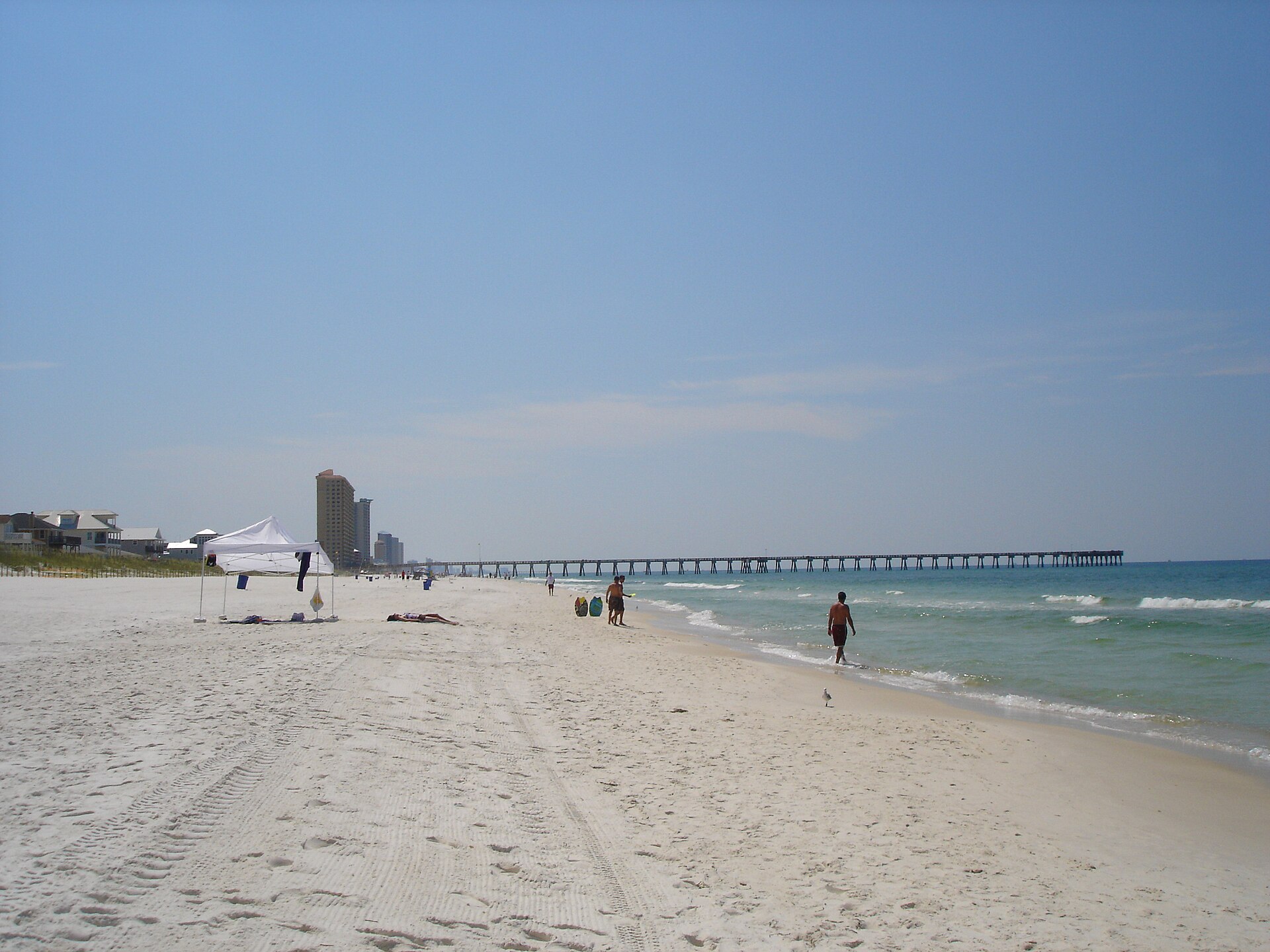
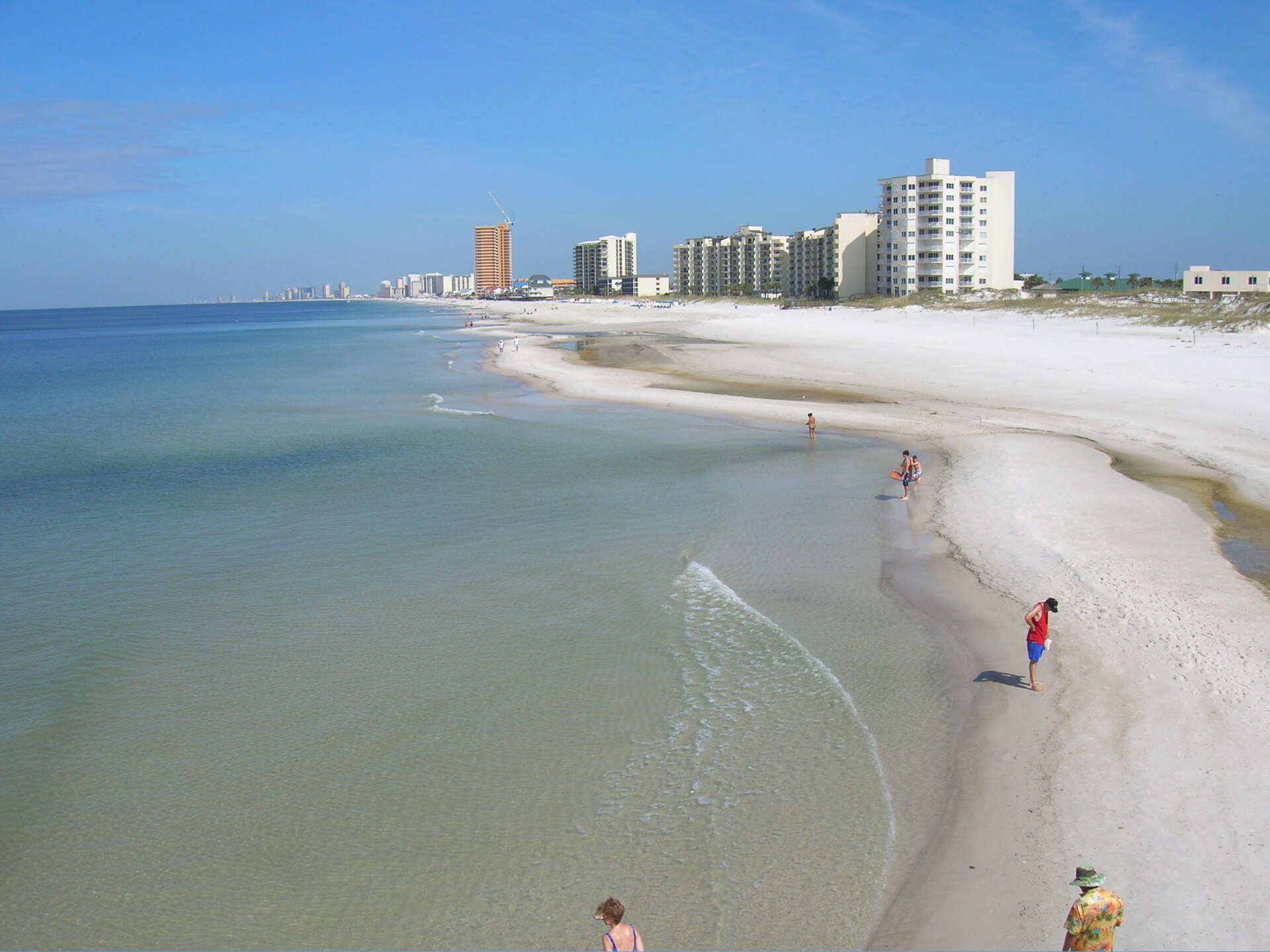
The coast, in context.Panama City Beach · area photographA view worth researching.Archival Panama City Beach photograph
Area photography, not current-condition evidence or a photograph of every named community. Han Zheng and Image by jsclark.net · Photo sources & licenses.
The condo research desk
Love the condo. Understand the building.
A beautiful unit doesn’t tell you about the association’s reserves or whether a repair was completed. Our research framework connects each question to a document—and keeps unknowns visible.
01
Start with the right records
Property and permit portals, inspection resources, association documents.
*Budget allocation only; not an offered assessment payment plan. Rental costs should include management, platform fees, cleaning subsidies and other expenses not already counted.
Estimated monthly carrying cost—
Planning estimate, not a quote or investment forecast. Excludes closing costs, loan insurance, financing fees, tax effects and unexpected repairs. Avoid double-counting items covered by HOA dues.
Local expertise. A personal connection.
Your next property. The right people beside you.
Our licensed real estate partners help buyers find their next property and owners plan their next sale in Panama City Beach and surrounding areas. Start with your goals, your questions and a conversation in the language you prefer.
A website cannot certify a building’s safety. Our role is to organize evidence and unanswered questions so you can involve the right licensed professionals.
Start with the exact address. Confirm the parcel, association and jurisdiction. Follow repairs from findings to scope, permits, inspections and completion. Review dues, reserves, assessments and insurance. Ask about fire systems, access policies and maintenance. Keep unknowns visible and involve qualified professionals.
FROM THE FLORIDA BUILDING COMMISSION / ARCHIVE
Official educational recording · August 19, 2024
Understand the milestone inspection process.
Historical training provides context. Rules and deadlines may have changed; use current DBPR guidance and the local authority for your property.
Can you tell me whether a condo building has problems?
We can organize research around official permits, inspection records and association-provided documents. An issued permit does not prove a repair was completed, and missing online records do not prove that a building has no issues. A licensed engineer or inspector must evaluate condition. Building-specific reports will show sources, dates and unresolved questions.
Are all condo documents publicly available?
No. Government portals may provide property and permit information, but budgets, meeting minutes, insurance details and other association documents often need to be requested through the seller or association. Our framework separates public-record research from documents still needed.
Is this a listing website or a real estate brokerage?
This is a property research and educational resource. It does not currently offer an MLS feed, brokerage representation, appraisals or engineering inspections. You can request buyer or seller assistance from our licensed real estate partners. Introductions require your permission; brokerage services are agreed directly with the responsible agent and brokerage.
Can I compare buildings before choosing a unit?
Yes. Add up to three buildings to your research shortlist, then request a comparison brief. The request starts a research process; the directory does not yet contain verified fees, assessments or building-condition reports.
Does the calculator predict rental returns?
No. It uses numbers you enter to show a planning scenario. Rental rules, actual operating expenses, bookings, seasonality and financing can change the outcome. Use documented property-specific inputs and test less optimistic scenarios.
How do I research a Panama City Beach condo before buying?
Confirm the exact association, building and unit. Request the budget, reserve study, inspection reports, repair follow-through, assessments, insurance and current rental rules. Keep missing records separate from verified findings.
Does a milestone inspection mean a condo is safe forever?
No. It is a professional assessment with a defined date and scope. Review its findings and follow-up documentation with the appropriate licensed professional; it is not an unlimited guarantee.
Can a closed permit prove all building repairs are finished?
No. Match the permit’s scope with the original recommendations, inspection results and relevant completion records. One project’s final permit status does not establish the condition of the entire building.
What is the difference between a milestone inspection and SIRS?
A milestone inspection addresses structural condition. A Structural Integrity Reserve Study addresses specified components and reserve funding needs. Read both where applicable; neither replaces the other.
Ask about access policies, credential removal, visitor handling, camera maintenance, incident reporting and staff responsibilities. Equipment alone does not establish how a security program operates.
No. Flood mapping and evacuation planning serve different purposes. Check the current flood map and local evacuation information for the exact address. One does not substitute for the other.
30A condo vs. detached home: build a complete ownership budget
Research framework · October 23, 2026
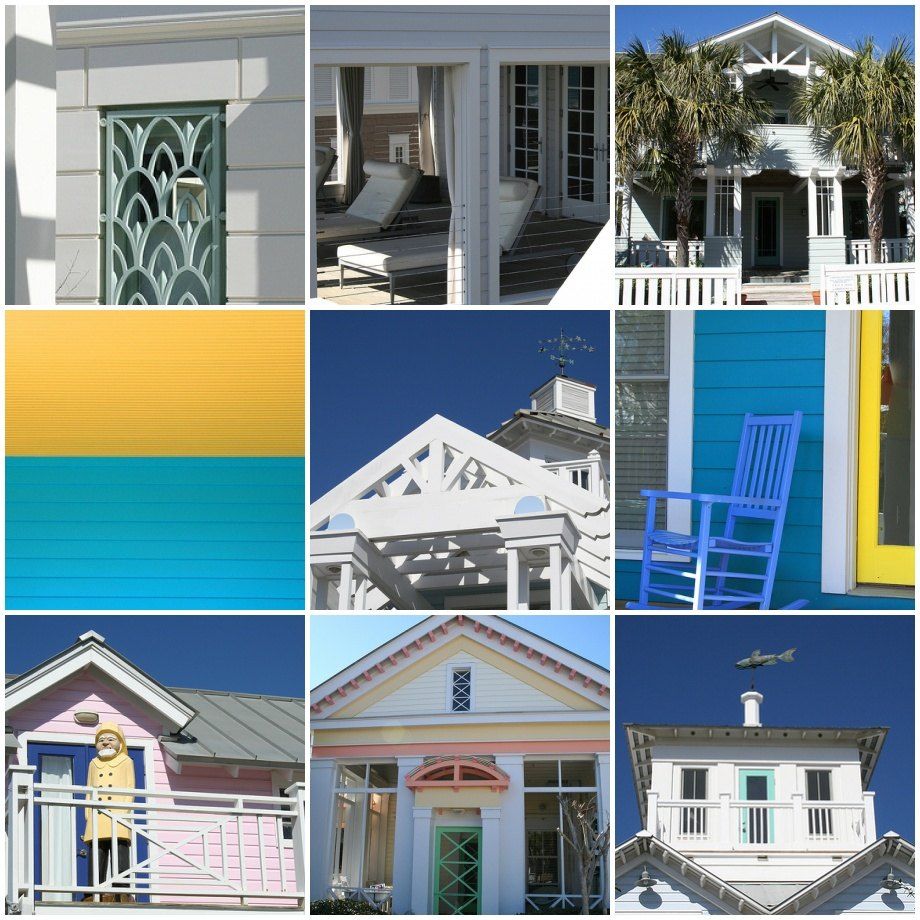
Seaside architecture and neighborhood context; not a listing, appraisal or representation of a specific ownership arrangement. · Sources & licenses
Compare total annual expenses and who is responsible for each item. A smaller association payment does not by itself mean a property is less expensive to own.
Start with one consistent comparison period
Choose an annual planning period and use it for every candidate. Convert monthly, quarterly and annual charges into annual totals, while keeping one-time acquisition expenses in a separate column. This avoids comparing a condominium’s monthly assessment with only a detached home’s utility bills. Label every estimate with its source and the date it was prepared.
Separate the cost of financing from the cost of operating the property. Financing terms depend on the borrower and the property, so ask a lender for a candidate-specific quote. Keep down payment, closing costs, monthly debt payments and a cash buffer visible without describing the worksheet as a lending decision or financial recommendation.
Follow the maintenance responsibility
For a condominium, ask which items are maintained through the association and which remain the unit owner’s responsibility. Obtain the adopted budget and governing documents rather than assuming a monthly payment covers every exterior component. Track approved assessments separately and ask about payment timing, outstanding balances and any proposed projects still under discussion.
For a detached home, price the work you would otherwise expect someone else to organize: roof and exterior upkeep, landscaping, pest service, mechanical systems, pool service where applicable and periodic inspections. If an HOA or shared-access agreement applies, add those obligations too. Request written estimates for major known work and distinguish a contractor’s quote from a general planning allowance.
Get buyer-specific taxes and insurance
Florida’s Department of Revenue explains the relationship between just value, assessed value, exemptions and taxable value. Use that framework to ask the county property appraiser about a purchase scenario; do not copy the seller’s tax bill into your long-term plan without checking whether its assumptions apply to you.
Ask a qualified insurance professional to quote the exact address and intended use. For a condominium, review the boundary between association coverage and the unit policy, including deductibles and exclusions. For a house, identify the policies and inspections the insurer requests. A flood-map result is one input; it is not a premium quote or a prediction of whether a loss will occur.
Stress-test use, maintenance and income assumptions
Build a personal-use scenario first, then a separate rental scenario if permitted. Include management, turnover, utilities, supplies, replacements and vacancy assumptions in the latter. Treat a gross rental projection as a scenario rather than a promise. Ask what evidence supports the occupancy and nightly-rate inputs, and what happens if either is lower.
Make the decision with three clearly labeled views: expected operating expenses, known near-term work and a less favorable scenario. If an unknown expense could change your decision, keep it on the open-questions list until you receive evidence. The purpose of this comparison is to make responsibility and uncertainty visible so your agent, lender and advisers can help you evaluate the purchase on a consistent basis.
Watch before your next move
Know the ownership before the offer.
A short, silent, captioned explainer. Educational graphics with archival coastal photography; not an agent walkthrough or a property inspection.
Dues need context: what they cover, what remains your responsibility, how the budget is funded and what separate charges are approved or proposed.
Can I use the seller’s property taxes as my estimate?
Use the bill as historical information and obtain a buyer-specific estimate from the appropriate county office. Exemptions and assessment circumstances may differ.
Does this guide estimate investment returns?
No. It provides an expense-comparison method. Rental projections, financing and tax treatment require property-specific inputs and appropriate professional advice.
 914 units · source-reported
